What is the Best Direction for a House to Face in Australia? A Tasmanian Builder's Guide
When it comes to constructing a house, there are numerous factors to take into account, such as location, size, design, and amenities. However, one crucial aspect that often goes unnoticed is the orientation of the house. The direction in which your house faces can have a significant impact on your comfort, energy efficiency, and overall well-being. In this article, we will delve into the significance of house orientation and uncover the benefits associated with different facing directions.
With the growing impact of climate change, including rising temperatures and more frequent heat waves, passive cooling strategies and correct house orientation are becoming even more important for future-proofing homes.
UNDERSTANDING ORIENTATION
House orientation refers to the positioning of a home in relation to the sun’s seasonal paths and prevailing wind patterns. Understanding the sun's path and sun angles is crucial for optimising solar access and energy efficiency. Solar north (also called true north) is used in design to align homes for maximum sunlight exposure. House orientation encompasses not only the physical placement of the structure but also the thoughtful design and arrangement of living and sleeping areas to optimise the advantages of sunlight and wind, while also shielding them from undesirable effects through passive design. Optimum building design considers how much solar access each room receives throughout the year. In Australia, the main solar access comes from the sun's path in the north, making north-facing homes ideal for maximising solar gain in winter.
THE IDEAL HOUSE ORIENTATION: NORTH-FACING HOUSES
In the southern hemisphere, north-facing houses are often considered the ideal orientation. One of the key advantages of a north-facing house is its ability to maximise natural light. By positioning the main living areas and windows to face north, these houses enjoy ample daylight throughout the day, and homes designed to face north can capture consistent natural light, especially in living areas, enhancing energy efficiency. North-facing living areas and windows on the north side of the house receive more sun in winter because the sun is lower in the sky, which helps with passive heating. This north-facing orientation is also ideal for installing solar panels, as it maximises sunlight exposure. When planning the orientation of living areas and windows, it is important to consider sun angles and the sun's path throughout the year. Shading from harsh midday summer sun needs to be considered.
The Top 3 Reasons Why North-Facing is the Ideal Orientation in Tasmania.
- Winter Sun: Maximises natural light and passive heating during winter, reducing energy bills.
- Summer Shade: Correctly designed eaves can block the high-angle summer sun, keeping the home cool.
- Solar Panels: North-facing orientation is ideal for installing solar panels, maximising sunlight exposure and overall energy efficiency.
- Resale Value: North-facing homes are highly sought after, increasing long-term property value.
EMBRACING THE MORNING SUNLIGHT: EAST-FACING HOUSES
An east-facing house is characterised by the front of the house facing east, allowing it to capture the morning sunlight. This orientation can be advantageous for those who appreciate waking up to the gentle rays of the rising sun. Furthermore, east-facing houses receive abundant natural light during the early part of the day, creating a bright and inviting interior.
East-north-east facing homes benefit from morning sunlight, which is less intense than the afternoon sun, making them cooler in summer. East facing windows are ideal for bringing in morning light to living spaces such as breakfast areas and can help maintain comfortable indoor temperatures, especially when combined with cool breezes during summer.
LIMITED SUN EXPOSURE: SOUTH-FACING HOUSES
In colder regions, a south-facing orientation can be difficult to heat if your main living rooms face this orientation. South-facing homes in Australia receive limited direct sunlight, which can affect natural illumination, temperature regulation, and energy efficiency. However, careful consideration of room positions, such as facing the garage or rarely used spaces south, can ensure a comfortable house year-round. South-facing windows provide softer, indirect light and are beneficial in warm climates for reduced solar gain.
EVENING DELIGHTS AND CHALLENGES: WEST-FACING HOUSES
A west-facing house offers the advantage of enjoying breathtaking sunset views and warm evening light. This orientation creates a pleasant ambiance for outdoor activities and entertaining guests. However, west-facing rooms are problematic due to receiving intense afternoon sun (west sun) that leads to significant overheating. West facing walls are especially exposed to radiant heat in the late afternoon, increasing cooling costs. Allowing low-angle east or west sun to strike glass surfaces can lead to overheating in summer, so effective shading strategies are essential. To mitigate these challenges and maintain a comfortable indoor environment, proper insulation, shading devices, and well-designed ventilation systems are crucial.
THE IMPORTANCE OF FLOOR PLAN
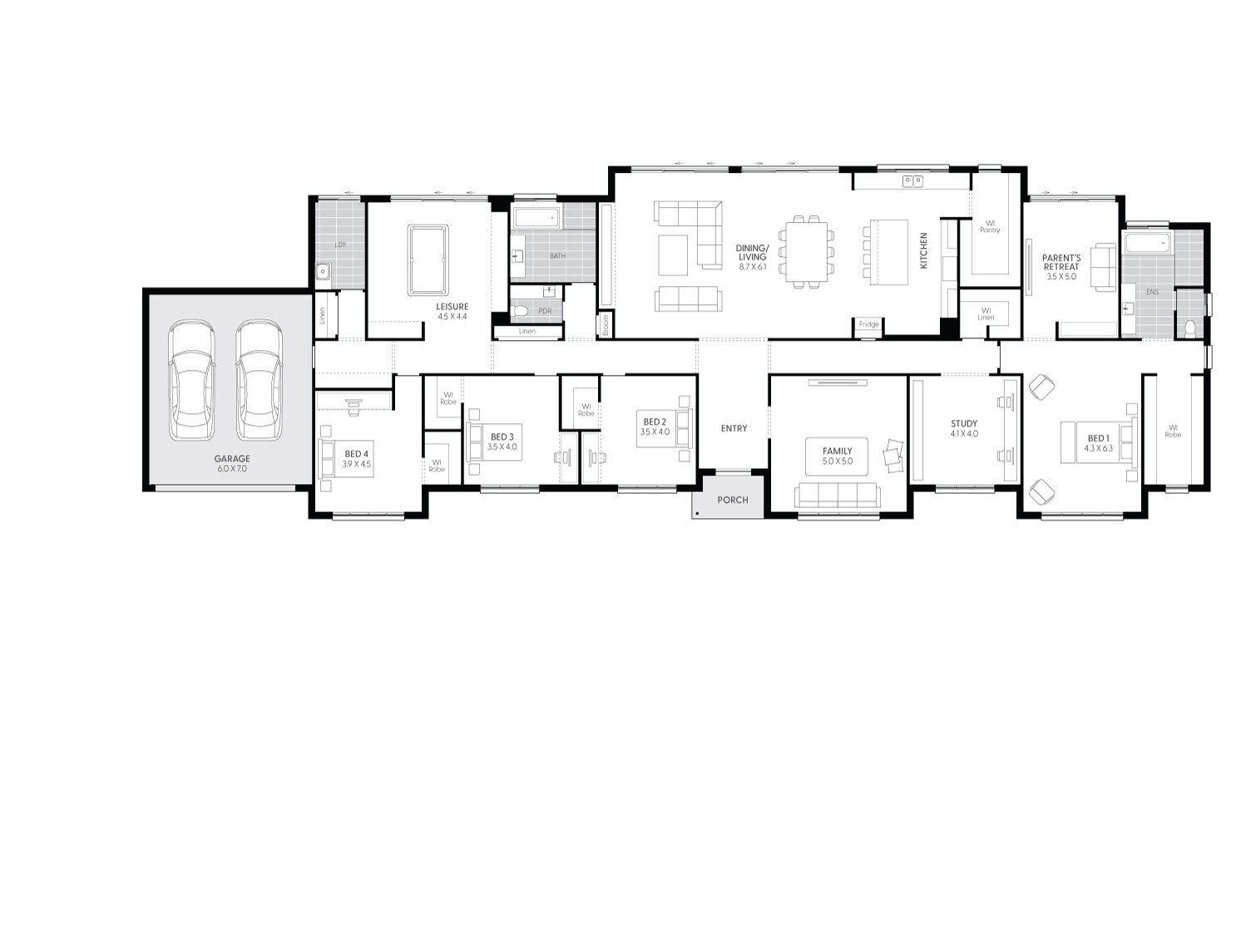
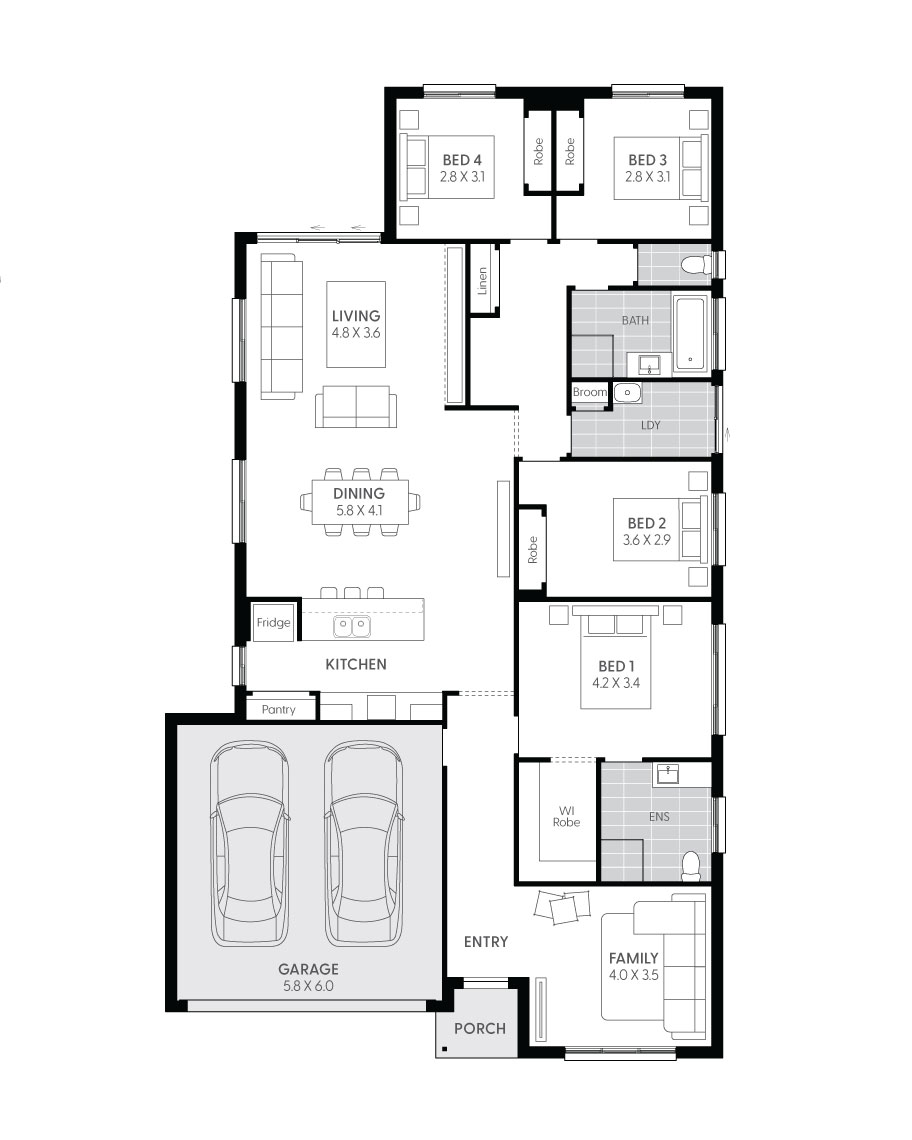
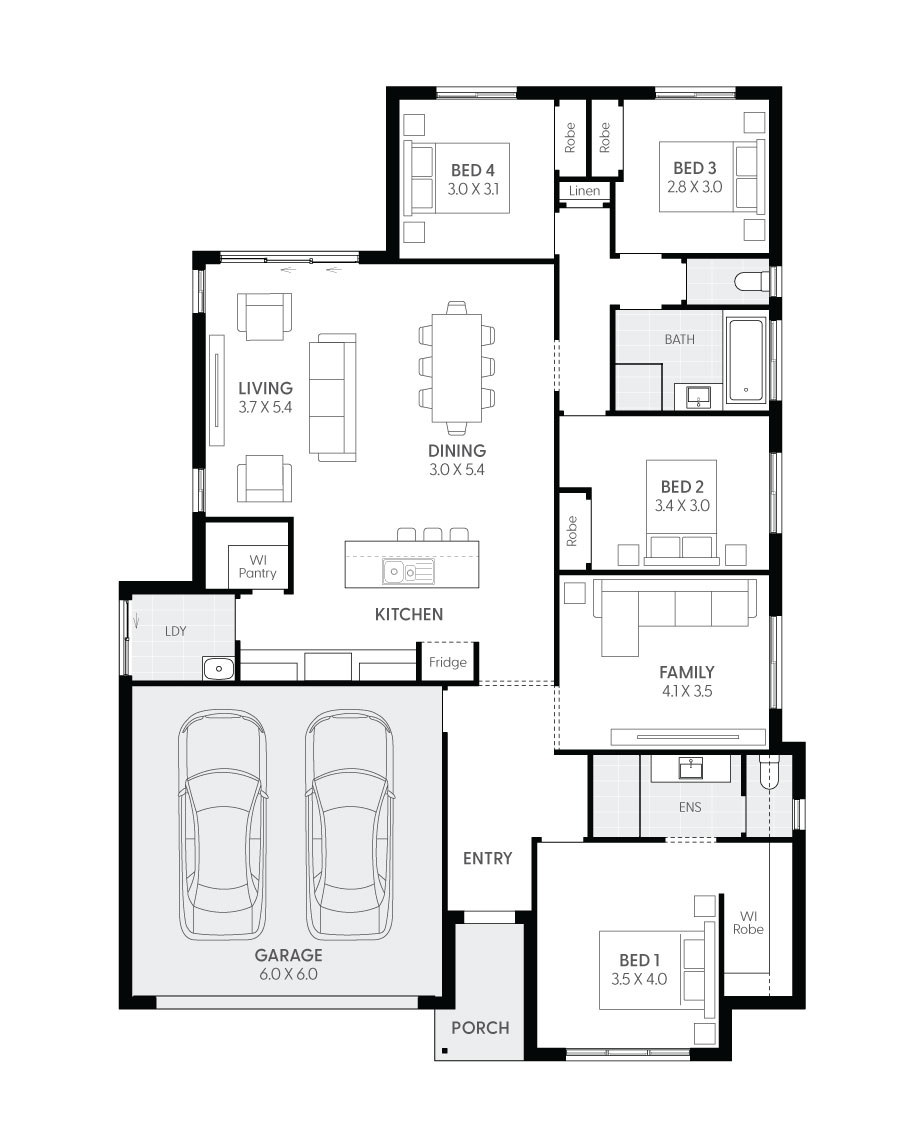
When designing your dream home, the floor plan is just as important as the house orientation itself. A thoughtfully planned layout can make all the difference in how much natural light, warmth, and fresh air your home receives throughout the year. By aligning your floor plan with the sun’s path and prevailing wind patterns, you can create living spaces that are comfortable, energy efficient, and perfectly suited to your climate zone.
For example, in Tasmania, positioning your main living areas and north facing windows on the northern side of the house is considered the best house orientation. This allows you to capture the winter sun, filling your home with consistent natural light and passive heating during the colder months. Not only does this reduce your reliance on artificial lighting, but it can also lower your heating bills and overall energy costs.
However, the floor plan must also address the challenges of unwanted summer sun and hot afternoon sun, especially for west facing homes or rooms with west facing windows. Without proper shading or double glazing, these areas can quickly overheat, leading to higher cooling costs and discomfort during extreme heat waves. Incorporating features like deep eaves, pergolas, or strategically placed trees can help exclude the harsh summer sun while still allowing the low angle east or winter sun to warm your home when needed.
A well-designed floor plan also takes advantage of prevailing breezes for passive cooling, reducing the need for air conditioning. By positioning windows and doors to encourage cross ventilation, you can keep your home comfortable even during the hottest months. Double glazing and insulation further enhance energy efficiency, helping to maintain a stable indoor temperature year-round.
Ultimately, the best floor plan is one that works hand-in-hand with your chosen house orientation, climate zone, and local conditions. By carefully considering the placement of living areas, windows, and shading devices, you can maximise solar gain in winter, minimise harsh summer sun, and enjoy a bright, comfortable, and energy-efficient home. Investing time in the right floor plan will pay off in lower energy bills, greater comfort, and a truly liveable dream home.
The orientation of your house plays a vital role in its overall functionality, energy efficiency, and the well-being of its occupants. Whether you prefer a north, south, east, or west-facing house, each orientation comes with its own set of advantages and considerations. Many of our Wilson designs also offer the flexibility to adjust the location of bedrooms and living spaces to better suit the orientation of your lot.